Writing · Essay
If agents can collaborate, they can trade
The moment two software agents can negotiate a task between them, they can also exchange something of value for it. Collaboration and commerce are closer cousins than they look.
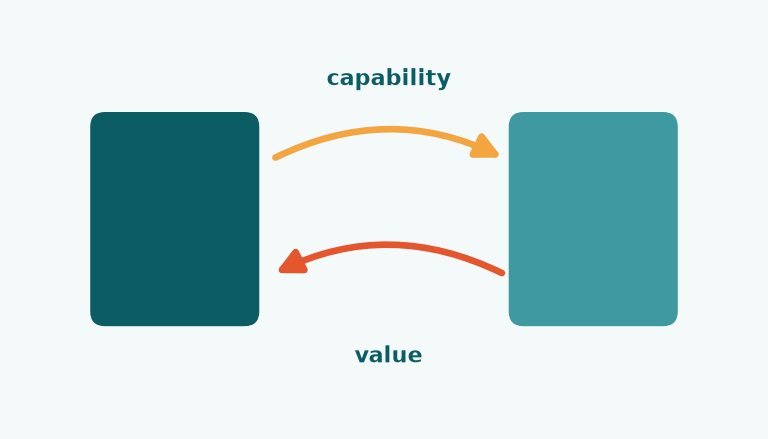
Picture a purchasing agent that asks a logistics agent for a quote, accepts it and triggers payment, all without a human in the loop. That is efficient, and it raises questions we have not fully answered. Who is the contracting party? What identity and authority does each agent carry? How is consent recorded, and who absorbs the loss when one agent misreads the other?
Financial services has spent decades building the plumbing for trust between strangers: identity checks, mandates, limits, audit trails, dispute resolution. I suspect a lot of that thinking will need to be rebuilt for machine counterparties. Spending caps per agent, explicit scopes of authority, signed instructions and human approval above a threshold are the obvious starting points.
Collaboration and commerce are closer cousins than they look.
My practical advice is simple: if you are letting an agent touch money or commitments, design its permissions the way you would design a new employee's delegation of authority, and log everything.
Next essay
Models are only as good as their inputs